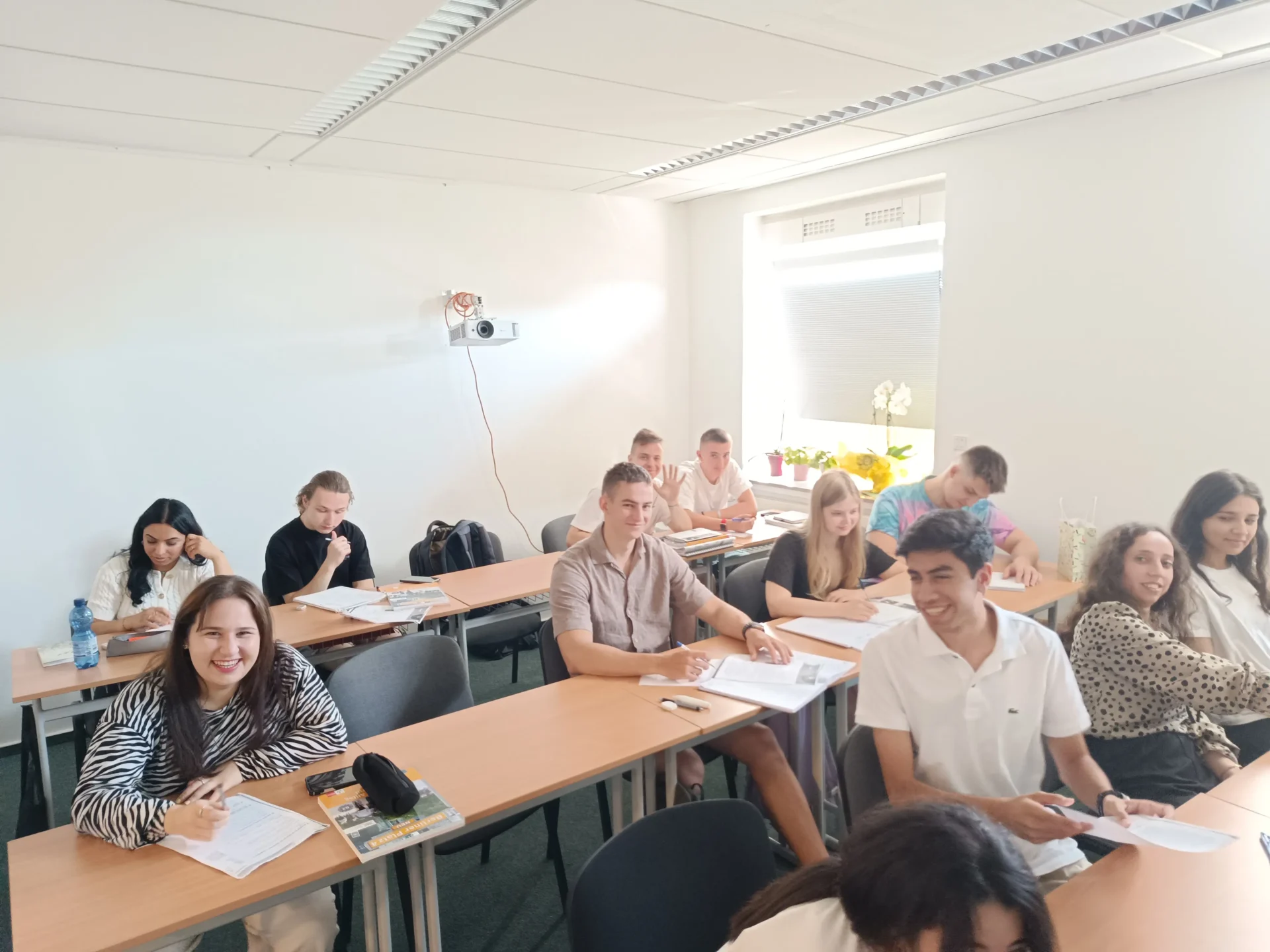
Möchtest Du Deutsch von Grund auf lernen und gleichzeitig Deine Chancen auf dem Arbeitsmarkt verbessern? In unseren Sprachkursen für Anfänger vermitteln wir Dir nicht nur die Grundlagen der deutschen Sprache, sondern helfen Dir auch dabei, Dich beruflich zu orientieren. Unsere Kurse kombinieren Sprachtraining mit praktischen Themen wie Kommunikation am Arbeitsplatz, kulturelle Einblicke und wichtige Alltagskompetenzen. So lernst Du, Dich selbstbewusst im Job und im Alltag zurechtzufinden.
Learning German, like any language, can be an exciting journey from absolute beginners to advanced levels. Here's a general roadmap for learning German, with some resources and tips at each stage:
Absolute Beginners:
- Learn the Basics:
- Start with the German alphabet, pronunciation, and common greetings.
- Learn basic phrases and essential vocabulary, like numbers, colors, days of the week, and common objects.
- Take a Beginners Course:
- Consider enrolling in a beginners' German course at a local language school or online platform.
- Duolingo, Babbel, Rosetta Stone, and Memrise offer beginner-level German courses.
- Use Language Learning Apps:
- Download language learning apps like Duolingo and Memrise to practice basic vocabulary and sentence structure.
- Watch and Listen:
- Start watching simple German-language videos and listening to beginner-level podcasts. This will help with comprehension and pronunciation.
Intermediate Learners:
- Grammar and Vocabulary:
- Dive into German grammar, including cases, articles, and verb conjugations.
- Expand your vocabulary by learning more words and phrases.
- Intermediate Courses:
- Join intermediate-level courses to gain a deeper understanding of the language.
- Consider courses on platforms like Coursera or edX.
- Reading and Writing:
- Begin reading German books, news articles, and blogs.
- Try writing short essays or journal entries in German to practice writing skills.
- Conversations and Language Partners:
- Find language exchange partners or join conversation groups to practice speaking.
Advanced Learners:
- Advanced Courses:
- Enroll in advanced courses that focus on specialized topics or dialects.
- Consider university-level language courses if available.
- Extensive Reading and Listening:
- Read novels, watch movies, and listen to advanced-level podcasts to expose yourself to more complex language.
- Writing and Speaking:
- Practice writing longer texts, reports, or essays.
- Engage in advanced conversations or debates with native speakers or advanced learners.
- Certification:
- Consider taking the TestDaF or Goethe-Institut examinations to certify your proficiency.
Ongoing Learning Tips:
- Consistency is Key: Regular practice and exposure to the language are crucial for improvement.
- Immersion: If possible, spend time in a German-speaking country to immerse yourself in the language and culture.
- Language Learning Apps: Continue using language learning apps and online resources to reinforce your skills.
- Seek Feedback: Ask for feedback from native speakers or experienced learners to correct your mistakes.
- Stay Motivated: Set realistic goals, celebrate your achievements, and stay motivated by finding topics and activities you enjoy in German.
- Keep a Language Journal: Document new words, phrases, and grammar rules you learn. It's a valuable reference tool.
Remember that language learning is a journey, and everyone progresses at their own pace. Be patient with yourself and enjoy the process of becoming proficient in German.